Solution
PHI: operational intelligence to optimize energy from day one
Automation, monitoring and real-time analytics for buildings and industry: visibility, control and continuity with impact on efficiency, EBITDA and ESG.
Today, energy management is no longer just about “consuming less”: it is about operating better. In buildings and industrial facilities, energy costs, service continuity and comfort depend on many systems working in balance. Without integrated visibility and timely control, inefficiencies appear, deviations are hard to detect, and risks turn into avoidable costs and failures.
In this context, Climate Smart Leasing promotes PHI, an automation and monitoring platform designed to fit into the existing technology environment and turn operational data into concrete decisions.
The problem: energy, continuity and control in complex systems
Buildings and industries run critical equipment (thermal, ventilation, pumping, lighting and air conditioning) and many variables that change with demand. Without a layer of continuous monitoring and adjustment, management becomes reactive: the ability to anticipate failures is lost, and equipment may run outside optimal conditions.
- Little visibility of KPIs to decide quickly
- Late alerts on operational deviations
- Corrective maintenance instead of preventive maintenance
The solution: what PHI is and what it enables
PHI is an automation and monitoring platform that combines IoT and real-time analytics, with a practical approach: connect existing equipment and protocols (without starting from scratch) and enable an operation that adjusts dynamically.
In practice, it enables three core capabilities:
- Integration: unifies information and control from existing systems.
- Demand-based optimization: avoids over-operation and improves efficiency.
- Actionable management: mobile KPIs, alerts and preventive maintenance to ensure continuity, comfort and savings from the start.
How it works: monitoring + control where it matters
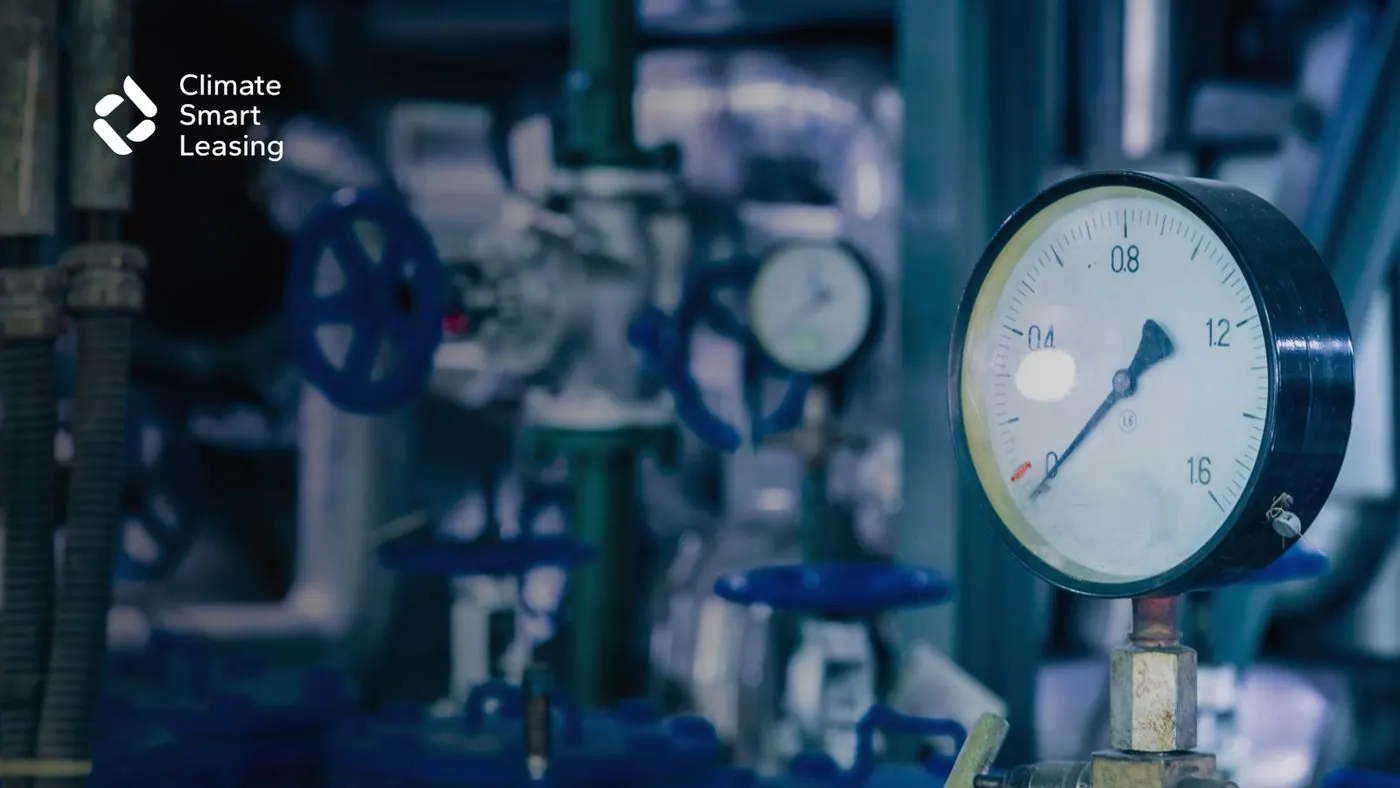
PHI monitors key variables (temperature, pressure, air and water flows, and thermal and electrical consumption, including gas and fuels) and also enables control over critical assets such as pumps, fans, valves, lighting, boilers and chillers. This aligns operation better with real demand, supported by real-time analytics and mobile management.
Impact: efficiency that translates directly into EBITDA and ESG
Energy optimization is a management lever. PHI aims at results that connect operations, finance and sustainability: lower costs, earlier detection of failures and better operating efficiency (continuity, comfort and KPI-based management). Together, this shows up in metrics that matter to the board: impact on EBITDA and progress on ESG.
The platform has active cases and proven results in residential, commercial, hospital, data center, industrial, hospitality and retail settings. This shows its adaptability to different environments, with the same goal: energy optimization, continuity and control.
For organizations that want to accelerate energy efficiency without losing continuity or comfort, the path starts with understanding the baseline, identifying opportunities and activating a solution that delivers visibility and control from day one.