Radio Pauta
Guido Rietta on Radio Pauta: chemical-free water treatment and our model
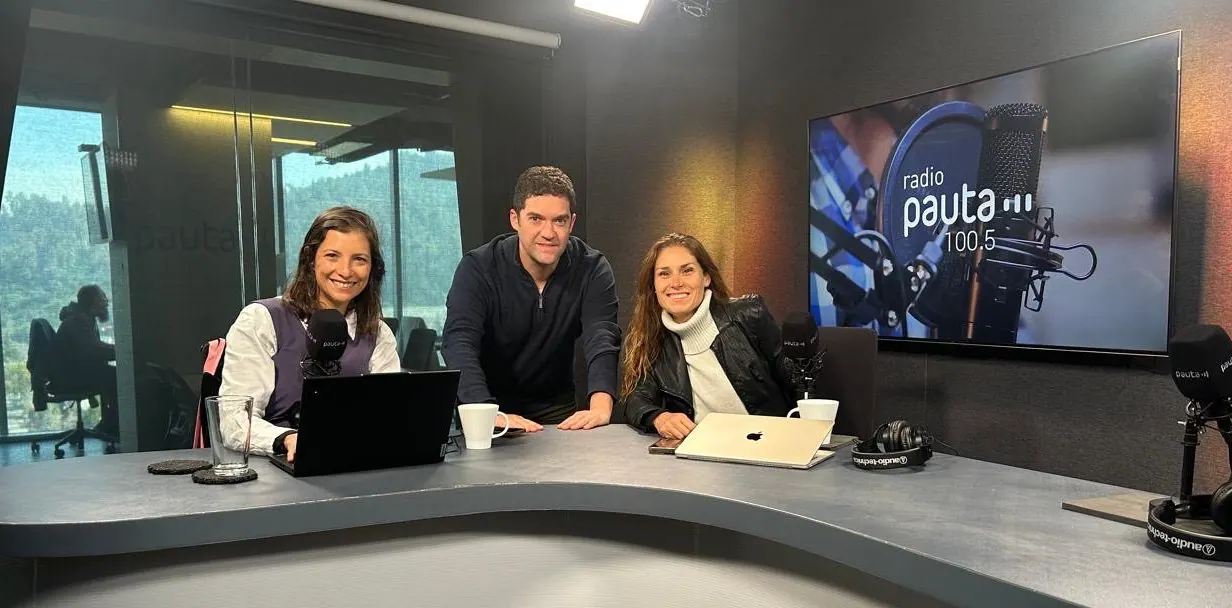
In a recent interview on the “Pauta de Negocios” program on Radio Pauta, Guido Rietta, CEO and Executive Director of Cehta Capital and Director of Climate Smart Leasing, explained how our model combines bio-based technology and sustainable leasing structures to accelerate the shift to wastewater treatment without chemicals and to enable circular water-economy schemes in industry.
During the conversation, Rietta stressed that the approach is no longer limited to meeting minimum environmental standards, but to “turning water treatment into a lever for operating efficiency, risk reduction and verifiable ESG metrics.” This reflects our mission: to turn treatment plants from a reactive cost center into a regenerative strategic asset.
Industrial operations still face structural challenges:
- High dependence on chemical inputs and sludge generation.
- Rising and variable operating costs (OPEX).
- Difficulty enabling reliable internal reuse.
- Greater regulatory and investor scrutiny of ESG performance.
Our approach reduces or eliminates the use of chemicals through bio-based processes and modular configurations, while making internal water reuse easier in applications such as cooling, washing or auxiliary services.
The role of the sustainable leasing model
One of the main accelerators we have implemented is a leasing / pay-for-performance structure that:
- Minimizes upfront CAPEX for the customer.
- Aligns payments with availability and treatment results.
- Includes monitoring, maintenance and analytics as part of the service.
- Reduces friction in internal approval (finance, operations, sustainability).
This model, strategically supported by Cehta Capital, makes early adoption and industrial scaling easier without compromising cash flow.
Key benefits of the Climate Smart Leasing approach
- Reduction or elimination of chemical inputs.
- Less sludge and secondary waste.
- Internal reuse and better water resilience.
- Lower operating risks (storage and handling of chemicals).
- Traceable data for auditable ESG reports and metrics.
Strategic relevance of reuse
Water reuse is no longer an isolated pilot: it is becoming a competitive standard in industries with water stress or advanced sustainability goals. By improving the quality of the treated effluent, we enable safe recirculation that reduces dependence on external sources and increases resilience to climate variability or regulatory restrictions.
Shared vision during the interview
Highlights covered by Guido Rietta:
- The shift from chemical-intensive solutions to efficient bio-processes.
- The importance of flexible financial structures to speed up adoption.
- The link between specialized capital and technology scale-up.
- Water circularity as a competitive advantage and not only compliance.
- The need for actionable, non-cosmetic ESG metrics.
Although traction is growing, challenges remain:
- Technical education and cultural change in operations.
- Standardization of comparable before/after indicators.
- Digital integration (telemetry, analytics and consolidated reporting).
- Multi-site scale-up while keeping performance and service quality.
At Climate Smart Leasing we keep strengthening:
- Replicable models by industrial vertical.
- Data and monitoring platforms in near real time.
- Partnerships with co-investors and strategic operators.
“Smart capital accelerates the transition from treatment to regeneration.” – Guido Rietta